

In 2014, when Herre Roelevink left the cybersecurity industry in Singapore to found a software development company, most of his Dutch peers thought he was making a mistake. “Vietnam? For enterprise software? Are you serious?” was the common reaction at BNI networking events in Amsterdam.
A decade later, Vietnam has become the fastest-growing software development destination for European companies — and Dutch firms are leading the charge. This is the story of how a 10,000-kilometer partnership corridor became one of the most productive in global tech.
The Dutch Developer Drought
The Netherlands has a structural problem: too many tech companies, too few developers. With 1,000+ tech companies in Amsterdam alone, and universities producing a limited number of computer science graduates annually, Dutch companies face hiring timelines of 4-6 months for senior engineers — at salaries that strain even well-funded Series B startups.
The traditional solution was nearshoring to Eastern Europe. But by 2022, Polish developer salaries had risen 40%, Romanian talent was being poached by American remote-first companies, and Ukraine’s once-thriving tech sector was disrupted by conflict.
Dutch CTOs needed a new answer.
Why Vietnam, Specifically?
Three structural factors make Vietnam uniquely suited for Dutch companies:
1. Massive, Growing Talent Pool
Vietnam now has over 530,000 software developers, growing at approximately 10% annually. Ho Chi Minh City’s universities — including HCMC University of Technology and FPT University — produce thousands of computer science graduates each year who are trained on the same frameworks (React, Node.js, .NET, Python) that Dutch companies use.
2. The Timezone Sweet Spot
At GMT+7, Vietnamese working hours overlap 4-5 hours with Central European Time. This means a daily standup at 15:00 CET (22:00 Vietnam) is perfectly feasible, and critical issues can be discussed in real-time every afternoon. Compare this to India (GMT+5:30, only 2-3 hours overlap) or the Philippines (GMT+8, minimal overlap with European mornings).
3. Political and Economic Stability
Unlike some neighboring Southeast Asian countries, Vietnam has maintained consistent political stability and economic growth. The government actively incentivizes foreign tech investment, and the legal framework for international software development contracts has matured significantly.
The Manifera Model: A Case Study in Dutch-Vietnamese Collaboration
When Herre Roelevink founded Manifera in 2014, he designed the company specifically to solve the problems he had observed in traditional offshoring:
Communication Failures? Manifera placed its business office at Herengracht 420 in Amsterdam — the same canal ring district where many of its clients are headquartered. Project managers speak Dutch and English natively. Contracts are governed by Dutch law.
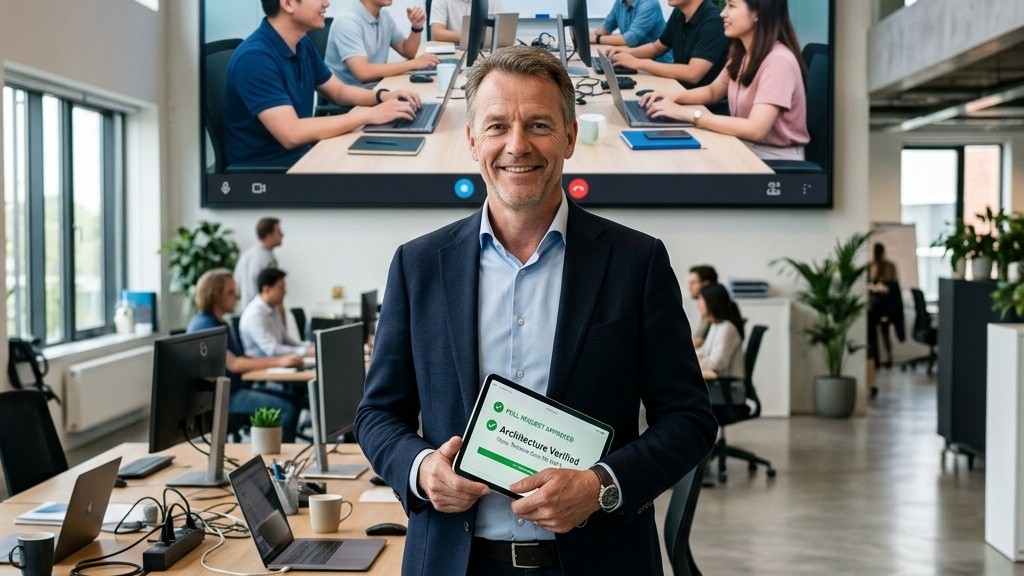
Quality Concerns? The Ho Chi Minh City engineering hub operates with strict Agile methodology — daily standups, bi-weekly sprint reviews, and mandatory code reviews for every pull request. Senior architects in Amsterdam review system designs before they reach production.
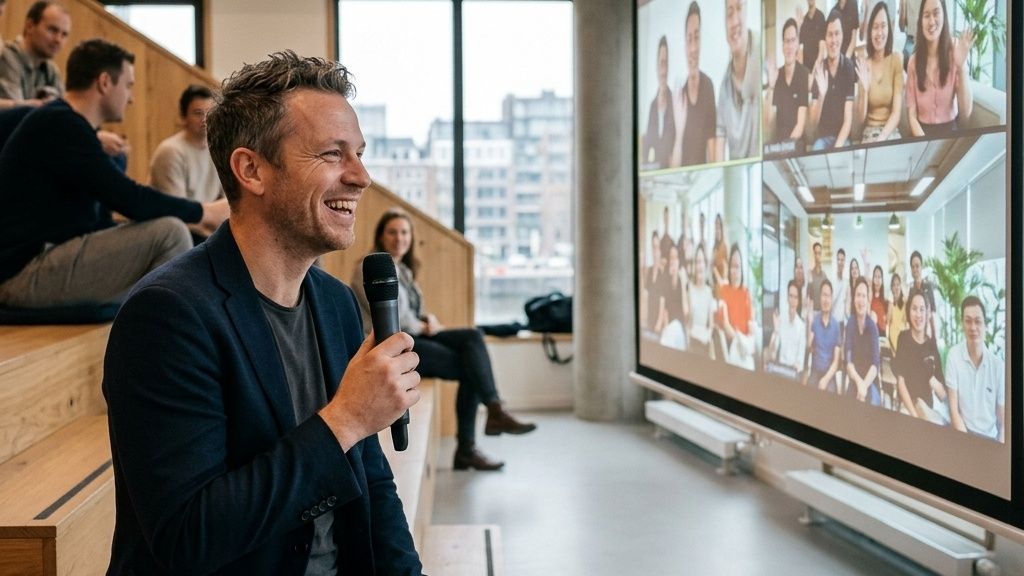
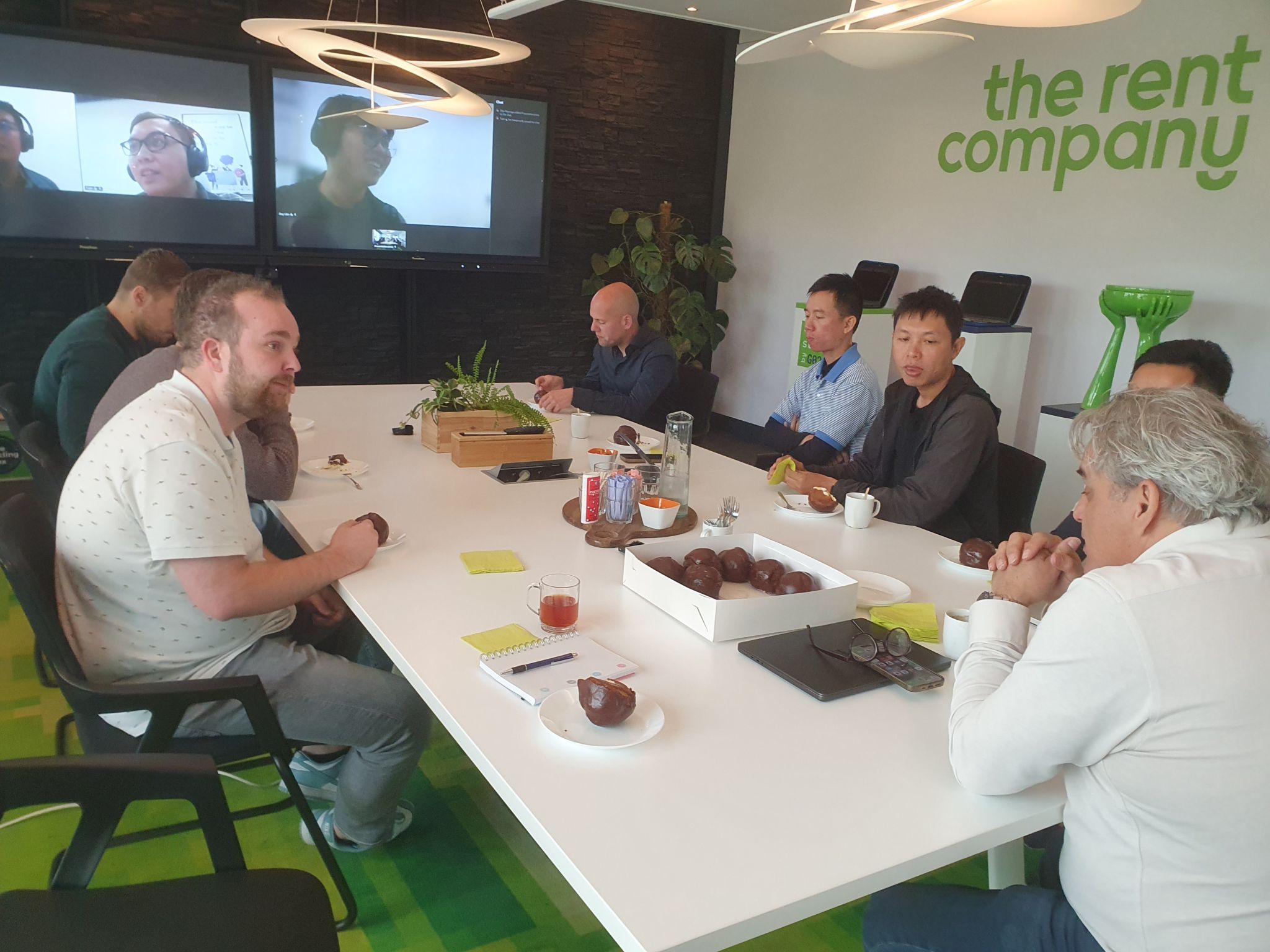
Cultural Gaps? Rather than ignoring cultural differences, Manifera built bridges. Regular video town halls, annual team exchanges, and a shared company culture that blends Dutch directness with Vietnamese technical diligence.
The result: 160+ successfully delivered projects, 120+ satisfied clients, and long-term client relationships where companies return year after year for additional development cycles.
What the Data Shows
According to industry benchmarks, the Netherlands-Vietnam development corridor offers:
Lessons for CTOs Considering Vietnam
After a decade of building Dutch-Vietnamese engineering teams, here are the non-obvious insights:
Invest in onboarding. The first 2-3 weeks with a Vietnamese team should include detailed architecture walkthroughs, coding standards documentation, and pair programming sessions. This upfront investment pays for itself within the first sprint.
Hire the right management bridge. The most critical role in any Netherlands-Vietnam partnership is the bilingual project manager who understands both Dutch business culture and Vietnamese engineering dynamics. This person is worth their weight in gold.
Visit in person. At least once per year, send your CTO or technical lead to Ho Chi Minh City. Face-to-face time transforms a vendor relationship into a genuine partnership.
Get a custom team proposal tailored to your specific technology needs within 48 hours: manifera.com/about-us/setting-up-your-offshore-team.
FAQs
Is intellectual property safe in Vietnam?
Vietnam has been a member of the World Intellectual Property Organization (WIPO) since 1976 and has signed all major international IP treaties. When you combine this with a contract governed by Dutch law and code stored in your own repositories, IP protection is robust.
Do Vietnamese developers speak English well enough for technical collaboration?
Senior developers in Vietnam’s top software companies communicate fluently in written English and technical discussions. For verbal communication with clients, companies like Manifera provide Dutch/English-speaking project managers as the communication layer.
How do I start? What is the minimum viable team?
Most successful engagements start with a pilot team of 2-3 developers for a defined 3-month project. This gives both sides a low-risk way to evaluate fit before scaling up to a full dedicated team.
How does the hybrid offshore model maintain software quality (Scenario: Why Dutch Companies Are Building Development Teams in Vietnam)?
By combining local European account management with elite offshore talent, we ensure nothing is lost in translation. Our Vietnam and Singapore teams follow strict coding standards validated by our lead architects. This ensures your offshore software development initiatives are executed with absolute precision.
How does Manifera guarantee high-quality offshore engineering (Scenario: Why Dutch Companies Are Building Development Teams in Vietnam)?
Our Amsterdam HQ provides strategic oversight while our Vietnam and Singapore hubs handle execution. This dual-shore model ensures European quality standards with offshore scalability. This ensures your offshore software development initiatives are executed with absolute precision.
Suggested Posts





How useful was this post?
Share it with your friends


Get our latest articles here!
Thank you for subscribing to our blog!
Do you have any questions?
Help us improve the content of this Insightful blog by asking us questions. Manifera's team of experts will help you answer these questions as soon as possible.
